Is your car’s automatic transmission starting to feel a bit rough? That telltale shudder, hard shift, or momentary slip can be an early warning sign of trouble ahead. While not a substitute for major mechanical repairs, a quality transmission additive can be a remarkably effective and affordable first line of defense. These specialized formulas are designed to address common issues like wear, overheating, and slipping, potentially restoring smoother performance and extending the life of your transmission.
With so many options on the market, from universal protectants to conditioners for high-mileage vehicles, choosing the right one can feel overwhelming. This roundup cuts through the confusion by highlighting ten of the best automatic transmission additives available. We’ve compiled key details and benefits to help you find the perfect solution for a quieter, smoother, and more responsive drive.
Our Top Picks for Automatic Transmission Additives
- Lubegard 60902 Automatic Transmission Fluid Protectant
- XADO EX120 Automatic Transmission Fix
- Lubegard 63010 Platinum ATF Protectant
- XADO AMC Automatic Transmission Additive
- Lucas Oil 10009 Transmission Fix
- Sea Foam Trans Tune Fluid System Treatment
- Rislone High Mileage Transmission Stop Slip
- Bar’s Leaks 1414 CVT Transmission Fix
- Lucas Oil 10441 ATF Conditioner
- BG Products ATC Plus Transmission Conditioner
Lubegard 60902 Automatic Transmission Fluid Protectant
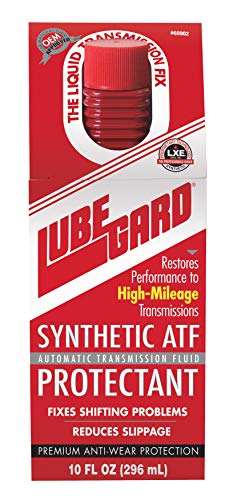
As a universal fit product, the Lubegard 60902 is designed to work with all automatic transmission fluids, making it a versatile choice for many vehicle owners. Its primary function is to reduce wear and tear throughout the entire transmission system. By optimizing the performance of your transmission fluid, it helps maintain smoother operation over time.
A key benefit of this protectant is its ability to prevent overheating. High operating temperatures are a major cause of transmission fluid breakdown and component wear. This additive works to reduce these elevated temperatures, which in turn helps to protect seals and extend the overall life of your transmission.
XADO EX120 Automatic Transmission Fix

The XADO EX120 stands out with its claim to rebuild and restore metal parts, offering a solution for transmissions showing signs of wear. It is formulated for use with CVT, automatic, and other gearbox types. This makes it a strong option for those experiencing more advanced symptoms of transmission trouble.
This additive acts as an anti-friction modifier, working to eliminate surface defects and protect components from extreme heat. Users often report a noticeable reduction in transmission shudder, noise, and vibration. It is marketed as an ultimate solution for stopping slipping, aiming to restore positive engagement.
Lubegard 63010 Platinum Automatic Transmission Fluid Protectant
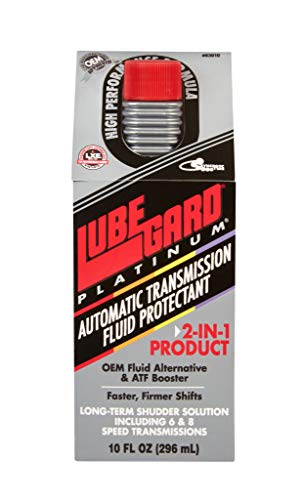
Lubegard Platinum is billed as the original universal ATF protectant, designed to eliminate confusion about which fluid to use. It dramatically reduces friction and wear on metal parts and internal components, which is fundamental to achieving smoother shifting. A significant technical advantage is that it will not alter the crucial sulfur balance in your transmission fluid.
This formula prevents overheating and is safe for yellow metals commonly found inside transmissions. It also inhibits fluid oxidation and foaming, two issues that can degrade performance. The product contains patented Synergol TMS Technology, which is engineered to tighten the shift cycle without losing friction modification, effectively eliminating shudder.
XADO AMC Automatic Transmission Additive

The XADO AMC additive comes in a unique syringe applicator, emphasizing its potent, concentrated formula. It is designed as an instant fix for hard shifting and transmission shudder. The product aims to stop slipping and revitalize the transmission for smoother shifting and enhanced responsiveness during driving.
Its “Atomic Metal Conditioner” technology focuses on surface restoration, fortifying and replenishing worn surfaces to improve operational reliability. By reducing noise and chattering, it contributes to a quieter cabin experience. This additive also works to prevent shifting and sticking, which can help extend the transmission’s service life.
Lucas Oil 10009 Transmission Fix

Lucas Oil Transmission Fix is a popular choice known for its simple and effective application. A major benefit is that it contains no solvents, making it a safe option for your transmission’s internal components. It is designed to lower operating temperatures and stop fluid foaming, both of which are critical for maintaining smooth shifts.
One of its most user-friendly features is that it can be added to your existing transmission fluid without the need to drain any out. This makes it an easy, quick solution for addressing early signs of slipping or rough shifting. It helps condition the seals and can reduce leakage, promoting overall transmission health.
Sea Foam Trans Tune Fluid System Treatment

Sea Foam Trans Tune takes a cleaning approach to transmission maintenance. It is specifically formulated to dissolve and liquefy harmful gum and varnish buildup that can accumulate inside the transmission over time. This cleaning action can free up sticky valves and restore proper fluid flow for better performance.
An important assurance with this product is that it will not swell seals or harm gaskets, O-rings, or clutch material. This makes it a safe option for a thorough internal cleaning. By removing deposits, it helps the transmission operate as intended, which often results in smoother and more precise shifting.
Rislone High Mileage Transmission Stop Slip

Rislone High Mileage Transmission Stop Slip is tailored for vehicles with significant wear and tear. Its performance additives are designed to restore bands and clutches, which are common culprits for slipping and hesitation. This restoration can lead to a noticeable reduction in rough shifting.
This formula renews and stabilizes the automatic transmission fluid, which helps to reduce operational noise, shudder, and chatter. For older transmissions that have developed hard shifting, this premium formula aims to restore performance and responsiveness, potentially saving on costly transmission repairs down the road.
Bar’s Leaks 1414 CVT Transmission Fix

Bar’s Leaks offers a specialized solution for Continuously Variable Transmissions (CVT), which have unique design and maintenance needs. It includes a seal conditioner that stops current leaks and helps prevent future ones by protecting and reconditioning the seals. This is particularly valuable as seal degradation is a common issue in higher-mileage vehicles.
The formula contains extreme pressure and anti-wear agents that provide better metal-to-metal friction properties. This helps to stop slipping, jerking, rough shifting, and shudder, ultimately improving shift feel and driving comfort. It also includes cleaning detergents with dispersants and anti-oxidants to remove sludge and varnish from metal parts.
Lucas Oil 10441 Automatic Transmission Fluid Conditioner

The Lucas Oil ATF Conditioner is a straightforward product focused on improving the quality of your shift experience. Its main goal is to improve shifting smoothness and reduce noise and shudder associated with a worn or struggling transmission. It serves as an effective supplement to your existing transmission fluid.
A significant advantage is its full compatibility with all types of ATF fluids, whether conventional or synthetic. This universal compatibility ensures it can be used in a wide range of vehicles without concern for fluid conflict. It’s a reliable choice for general transmission maintenance and performance enhancement.
BG Products ATC Plus Automatic Transmission Conditioner
BG Products is a well-regarded brand in the professional automotive service industry, and their ATC Plus conditioner reflects that professional-grade heritage. This product is engineered to address common transmission issues by improving the fluid’s properties and protecting internal components. It is designed to promote smoother shifting and extend transmission life.
While specific features for this product are not listed in the provided data, BG Products generally formulates its additives to meet the demands of professional mechanics. This often means a focus on restoring proper friction characteristics, reducing heat, and preventing oxidation. It is a product worth considering for those seeking a professional-grade solution.
Buying Guide: How to Pick the Right Automatic Transmission Additive
When your automatic transmission starts feeling a little rough—maybe it’s hesitating, jerking between gears, or just not as smooth as it used to be—it’s easy to get overwhelmed by the wall of products at the auto parts store. I’ve been there. An automatic transmission additive can be a great first step to address these issues, but you have to pick the right one. It’s not a one-size-fits-all situation. The wrong choice can be a waste of money, and in a worst-case scenario, it might even cause problems.
First, you need to understand what you’re trying to fix. Is the transmission slipping, meaning the engine revs high before the gear engages? Are the shifts just harsh and clunky? Or are you dealing with a small leak and need something to help condition old seals? The symptoms point you toward the right type of formula. For example, a slipping transmission often benefits from an additive that contains friction modifiers. These are designed to restore the grip between the clutch plates inside your transmission. If your shifts are just rough, a product that conditions the transmission fluid and helps clean out varnish deposits might be the ticket.
Next, compatibility is king. This is the most critical step. Not all transmission fluids are the same, and modern transmissions, especially those with dual-clutch or CVT designs, are incredibly finicky. Using the wrong additive can damage sensitive components. Always, always check your vehicle’s owner’s manual to see what type of transmission fluid it requires. Then, make sure any additive you’re considering explicitly states it is safe for that specific fluid type. I never use a universal “fits all” product in my newer car; I stick with additives made for the exact transmission fluid specification listed in the manual.
Finally, think about the product’s reputation and your own comfort level. Some additives are designed as a preventative maintenance step to keep a healthy transmission running smoothly, while others are more heavy-duty “fix-in-a-bottle” solutions for transmissions that are already showing significant wear. I tend to trust established brands with a long history in the automotive chemical space. Reading reviews from other people with similar vehicle models and symptoms can also give you a realistic idea of what to expect. Remember, an additive is a treatment, not a replacement for proper mechanical repair if a major component has failed. But for addressing minor shifting issues and extending transmission life, choosing the right automatic transmission additive for smoother shifting can make a noticeable difference.
FAQ
How does an automatic transmission additive actually work?
Think of it as a specialized supplement for your transmission fluid. Over time, heat and friction break down the fluid and cause wear on internal parts like seals and clutch plates. Additives contain a mix of chemical agents designed to combat this. Some contain detergents to clean out sludge and varnish, others have conditioners to re-swell hardened seals and stop leaks, and many include friction modifiers to help the clutch plates grip properly, which directly addresses slipping and harsh shifts. They essentially give your old, tired fluid a boost.
Are transmission additives safe for my car, or could they cause damage?
This is the big question. The safety entirely depends on using the correct additive for your specific transmission. Using the wrong type, especially in a modern transmission like a CVT or a unit that requires a specific synthetic fluid, can absolutely cause damage. These systems have tight tolerances and unique lubricant requirements. The key is to always check your owner’s manual first and only use an additive that is certified to be compatible with your vehicle’s transmission fluid specification. When in doubt, it’s safer to skip the additive and just get a professional transmission fluid flush and fill.
Can an additive fix a transmission that is already slipping badly?
It might help, but it’s not a guaranteed cure. A transmission additive is best used for minor to moderate symptoms. If your transmission is severely slipping, jerking violently, or refusing to go into gear, these are often signs of serious mechanical wear—like worn-out clutch packs or a failing solenoid. At that point, an additive is like putting a bandage on a broken bone. It might temporarily improve the situation by modifying friction, but it won’t repair the physical damage. It’s a helpful product for early warning signs, not a substitute for a rebuild or replacement when major components fail.
When is the best time to add a transmission additive?
The ideal time is during a routine transmission fluid change. When you drain the old fluid, you add the new fluid along with the recommended amount of additive. This ensures it’s perfectly mixed and circulating through the system from the start. If you’re just trying to address a new issue between changes, you can add it directly to the existing fluid through the transmission’s dipstick tube. Just be sure your fluid level is correct beforehand. I find that adding it to older fluid can still provide benefits, but for the best results, pairing it with fresh fluid is the way to go.
How long does it take to feel a difference after adding it?
You usually won’t feel a change instantly. The additive needs time to circulate and work its way through the entire transmission system. For minor issues like slightly rough shifting, you might notice an improvement within 50 to 100 miles of driving. For more persistent problems like a subtle slip, it could take a few hundred miles for the friction modifiers to properly coat the clutch plates. I always recommend driving normally for a full tank of gas before deciding if the product has worked. If there’s no change after that, the issue is likely beyond what a bottle can fix.