When your vehicle’s odometer proudly displays 200,000 miles, its maintenance needs evolve significantly. The engine that has reliably carried you all those miles requires specialized care to continue performing smoothly. The right motor oil is no longer just about lubrication; it becomes a critical component in managing wear, preventing leaks, and protecting aging engine seals and components.
High-mileage motor oils are specifically engineered for this stage of your vehicle’s life. They contain unique formulations with seal conditioners to prevent leaks, added detergents to combat sludge, and enhanced anti-wear additives to protect critical engine parts. This guide examines the best 5W-30 oils designed to extend the life and enhance the performance of high-mileage engines, helping you make an informed choice for your trusted vehicle.
Our Top Picks for High-Mileage 5W-30 Motor Oil
- Mobil 1 Extended Performance High Mileage 5W-30
- Valvoline High Mileage MaxLife Technology 5W-30
- Castrol GTX High Mileage 5W-30 Synthetic Blend
- Valvoline European Vehicle Full Synthetic 5W-30
- Valvoline High Mileage MaxLife 5W-30
- Mobil 1 High Mileage 5W-30 Advanced Full Synthetic
- Pennzoil Platinum High Mileage 5W-30 Full Synthetic
- Royal Purple HMX High Mileage Synthetic 5W-30
Mobil 1 Extended Performance High Mileage Full Synthetic Motor Oil 5W-30

For vehicle owners seeking extended oil change intervals without compromising protection, Mobil 1 Extended Performance High Mileage is a leading choice. This full-synthetic oil is engineered for engines with over 75,000 miles and is designed to provide protection for up to 20,000 miles between oil changes. Its advanced formulation helps keep your high-mileage engine running clean and strong.
The oil utilizes Mobil 1’s Triple Action+ Formula, which combines outstanding engine performance, protection, and cleanliness. It meets the stringent ILSAC GF-6 standards, which means it provides protection against low-speed pre-ignition (LSPI) and timing chain wear. This also contributes to keeping your engine clean and can help improve fuel economy, making it a comprehensive solution for aging engines.
Valvoline High Mileage with MaxLife Technology SAE 5W-30 Synthetic Blend Motor Oil
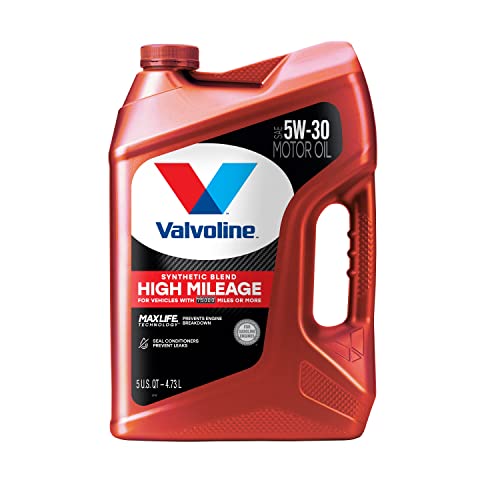
Valvoline’s MaxLife Technology is specifically designed to address the five major issues that affect higher-mileage engines: wear, deposits, leaks, sludge, and oil breakdown. This synthetic blend motor oil offers a robust defense against the common problems that can plague engines with 200,000 miles or more. It provides 40% better wear protection than the industry standard, helping to extend the life of critical engine components.
A key benefit for older engines is the inclusion of seal conditioners, which help to rejuvenate and maintain engine seals. This can lead to a reduction in oil consumption and leaks, a common issue in high-mileage vehicles. Furthermore, added detergents work to reduce sludge, corrosion, rust, and deposits, ensuring the interior of your engine remains clean for smooth operation.
Castrol GTX High Mileage 5W-30 Synthetic Blend Motor Oil

Castrol GTX High Mileage offers a targeted approach to protecting engines that have seen many years of service. Its Phosphorus Replacement Technology is a significant feature, as it helps to extend the life of your vehicle’s emission system. This is particularly important for maintaining performance and passing emissions tests in older vehicles.
This oil also provides superior dispersancy, which actively fights sludge buildup before it can restrict oil flow and cause damage. For engines that may be burning or leaking oil, Castrol GTX High Mileage offers exceptional burn-off protection that exceeds industry standards. Combined with seal conditioners to help reduce leaks, this formulation provides a multi-faceted defense for your high-mileage engine.
Valvoline European Vehicle Full Synthetic 5W-30 XL-III Motor Oil

If your high-mileage vehicle is a European model, it often requires a specific formulation to meet its unique engineering demands. Valvoline’s European Vehicle Full Synthetic oil is engineered to provide advanced protection for both gasoline and diesel engines from brands like BMW, Mercedes-Benz, and Volkswagen. It specifically guards against the four main causes of engine breakdown: wear, friction, heat, and deposits.
The formulation includes top-quality anti-wear additives that are designed to go beyond standard industry and OEM requirements for European vehicles. Premium antioxidants and cleaning detergents work in combination to safeguard against damaging deposits that can form in high-performance engines. This makes it an excellent choice for maintaining the complex engine systems found in older European cars.
Valvoline High Mileage with MaxLife Technology SAE 5W-30 Synthetic Blend Motor Oil
This Valvoline formulation with MaxLife Technology is a reliable and widely available option for providing comprehensive care to engines with significant mileage. It is engineered to combat the specific challenges that arise after years of use, focusing on preventing the gradual breakdown of engine components. The synthetic blend offers a balance of performance and value.
The technology behind this oil addresses wear, deposits, leaks, and sludge simultaneously. By conditioning seals to prevent leaks and using advanced detergents to fight sludge, it helps maintain engine compression and power. For an engine with 200,000 miles, this multi-pronged approach can contribute to smoother operation and prolonged engine life.
Mobil 1 High Mileage 5W-30 Advanced Full Synthetic Motor Oil
Mobil 1 High Mileage Advanced Full Synthetic is designed to deliver outstanding engine performance and protection for vehicles with over 75,000 miles. As a full synthetic, it provides superior performance in extreme temperatures and conditions, which is beneficial for an aging engine that may be more susceptible to stress.
This oil helps to reduce the risk of leaks and oil consumption in higher-mileage engines by conditioning seals. Its advanced additives also work to prevent sludge and deposit formation, ensuring critical engine parts are protected from wear. For owners who want the proven performance of a Mobil 1 full synthetic tailored for a high-mileage application, this is a strong contender.
Pennzoil Platinum High Mileage 5W-30 Full Synthetic Motor Oil
Pennzoil Platinum High Mileage Full Synthetic Motor Oil is made from natural gas, which allows it to provide better fuel economy and horsepower retention compared to traditional oils. For a high-mileage engine, maintaining efficiency and power is a key concern, and this formulation is designed to meet that need.
It provides excellent protection against friction and wear, which is crucial for engines with 200,000 miles where tolerances may have changed over time. The oil also helps to prevent sludge and deposit buildup, keeping the engine clean. This clean engine technology can help to ensure that your older engine runs as smoothly and efficiently as possible.
Royal Purple HMX High Mileage Synthetic 5W-30 Motor Oil
Royal Purple HMX High Mileage Synthetic Motor Oil is formulated with advanced additive technology to provide enhanced protection for engines with over 75,000 miles. It is designed to improve performance in areas critical to older engines, including reducing oil consumption and improving fuel efficiency.
The oil includes seal conditioners to help prevent leaks and contains a high level of detergents to minimize sludge and varnish formation. Royal Purple’s proprietary chemistry also aims to provide superior film strength to protect against wear. For those seeking a high-performance synthetic oil that addresses the unique demands of a high-mileage engine, HMX is a noteworthy option.
Buying Guide: What to Look For in the Best 8W30 Oil for Vehicles with 200K Miles
When your car hits that 200,000-mile mark, it’s not just a number; it’s a testament to your care. The engine has seen some things, and its needs change. Using the right oil becomes more critical than ever. I think of it as switching from general health supplements to a targeted, therapeutic regimen. For a high-mileage engine, you need an oil that doesn’t just lubricate but also helps maintain the engine’s vitality.
First, I always look for a high-mileage specific formula. These aren’t just marketing gimmicks. They are specifically engineered for older engines. They typically contain conditioners that help recondition and swell seals, which can slow down or stop oil leaks that are common in older engines. This is a huge deal because a leaky engine is a messy and potentially dangerous problem. These oils also often have extra detergents to help clean out the sludge and deposits that have built up over two decades of use.
Next, pay close attention to the additive package. Look for oils that emphasize robust anti-wear components, like zinc (ZDDP) or phosphorus. In an engine with 200k miles, there’s naturally going to be more metal-on-metal contact due to wear. A strong anti-wear additive forms a protective layer on engine parts, reducing friction and preventing further wear. This is your best defense against the engine just wearing out.
Viscosity is another key area. The “8W-30” rating tells you how the oil flows at different temperatures. The “8W” means it has a winter (cold) viscosity grade of 8, which is relatively thin, helping with cold starts. The “30” is its viscosity at operating temperature. For an older engine, you might find that it benefits from this slightly thicker hot-grade oil compared to a 5W-20, as it can help maintain better oil pressure and provide a stronger film between worn components. However, you must always, always check your vehicle’s owner’s manual first. It is the final authority on what viscosity your specific engine was designed to use.
Finally, consider the base oil type. While conventional oil works, I prefer a full synthetic or a synthetic blend for a high-mileage vehicle. Synthetic oil is simply more stable and robust. It handles high temperatures better, which is important for older engines that might run hotter, and it generally provides superior protection against sludge and varnish buildup. It might cost a few dollars more, but for an engine you want to keep running smoothly, it’s an investment I find worthwhile. Finding the best 8W30 oil for vehicles with 200K miles is about matching the oil’s advanced features to the specific challenges of a well-used engine.
Frequently Asked Questions
Is 8W30 oil good for high-mileage engines?
Yes, absolutely. An 8W30 oil, especially one formulated specifically for high-mileage vehicles, can be an excellent choice. The slightly thicker viscosity at operating temperature (the “30” part) can be beneficial for older engines. It can help maintain better oil pressure in engines where tolerances have widened due to normal wear over 200,000 miles. Just make sure it’s a high-mileage variant with seal conditioners and extra anti-wear additives to address the specific needs of an aged engine.
What is the difference between high-mileage oil and regular oil?
The main differences are in the special additives. High-mileage oil contains seal conditioners that help keep engine seals soft and pliable, which can reduce or prevent oil leaks. It also usually has a higher concentration of detergents to help clean out accumulated sludge and deposits. Furthermore, the anti-wear additive package is often enhanced to provide a stronger protective film on engine components, which is crucial for preventing further wear in an engine that already has significant mileage.
Can I switch from conventional to synthetic oil in my high-mileage car?
This is a common concern, and the short answer is yes, you can. Modern synthetic oils are perfectly safe for high-mileage engines. There’s an old myth that synthetics can cause leaks in older cars, but this is largely outdated. In fact, the seal conditioners in high-mileage synthetic oils are designed to do the opposite. The superior cleaning power of synthetic oil might loosen some old sludge, which could potentially dislodge and reveal an existing leak, but it won’t create new ones. I made the switch in my own car at around 180,000 miles and saw an improvement in engine smoothness.
How often should I change the oil in a car with over 200,000 miles?
I tend to be more conservative with my oil change intervals on a high-mileage vehicle. Even if you use a full synthetic oil that promises longer intervals, I recommend sticking to a 5,000-mile or 6-month schedule, whichever comes first. Engines with this many miles often have more blow-by (fuel and combustion gases entering the crankcase), which contaminates the oil faster. More frequent changes are a cheap form of insurance to keep the engine internals clean and well-lubricated, helping you get to 300,000 miles.
My owner’s manual doesn’t list 8W30 as a recommended viscosity. Can I use it?
This is a tricky one. While the properties of the best 8W30 oil for vehicles with 200K miles might seem beneficial, your vehicle’s engine was engineered for a specific viscosity range. Using an oil that is too thick can lead to poor circulation, especially on cold starts, increasing wear on critical components like the timing chain and valve train. It can also reduce fuel economy. I strongly advise against deviating from the manufacturer’s recommended viscosity grades listed in your owner’s manual unless specifically advised by a trusted mechanic who has diagnosed an oil pressure issue.